Driving Connections

Driving Connections Capital Program
The Illinois Tollway is proud to launch Driving Connections, its next long‑term capital program and a $26.5 billion commitment to improve traffic, road conditions, and spur economic development. Driving Connections spans every corridor within the Tollway system, delivering a more affordable, reliable transportation network that connects communities and supports a dynamic region for generations.
Built on the progress of the Tollway’s Move Illinois and Bridging the Future capital programs and shaped through extensive stakeholder outreach and collaboration, Driving Connections reflects regional priorities to maximize benefits for drivers. This program will begin in 2027 and extend through 2042, ensuring long-term, strategic investments in the system.
Click here to learn more about how the Tollway developed this capital program.
Driving Connections Public Engagement Video
Quick Links
The following section contains 1 album(s). Each album shows a scrollable photo preview — focus it and use the left and right arrow keys, or the on-screen arrow buttons, to browse its photos. Use the "View All" button to open the full gallery. After opening, use the left and right arrow keys to navigate through the photos.
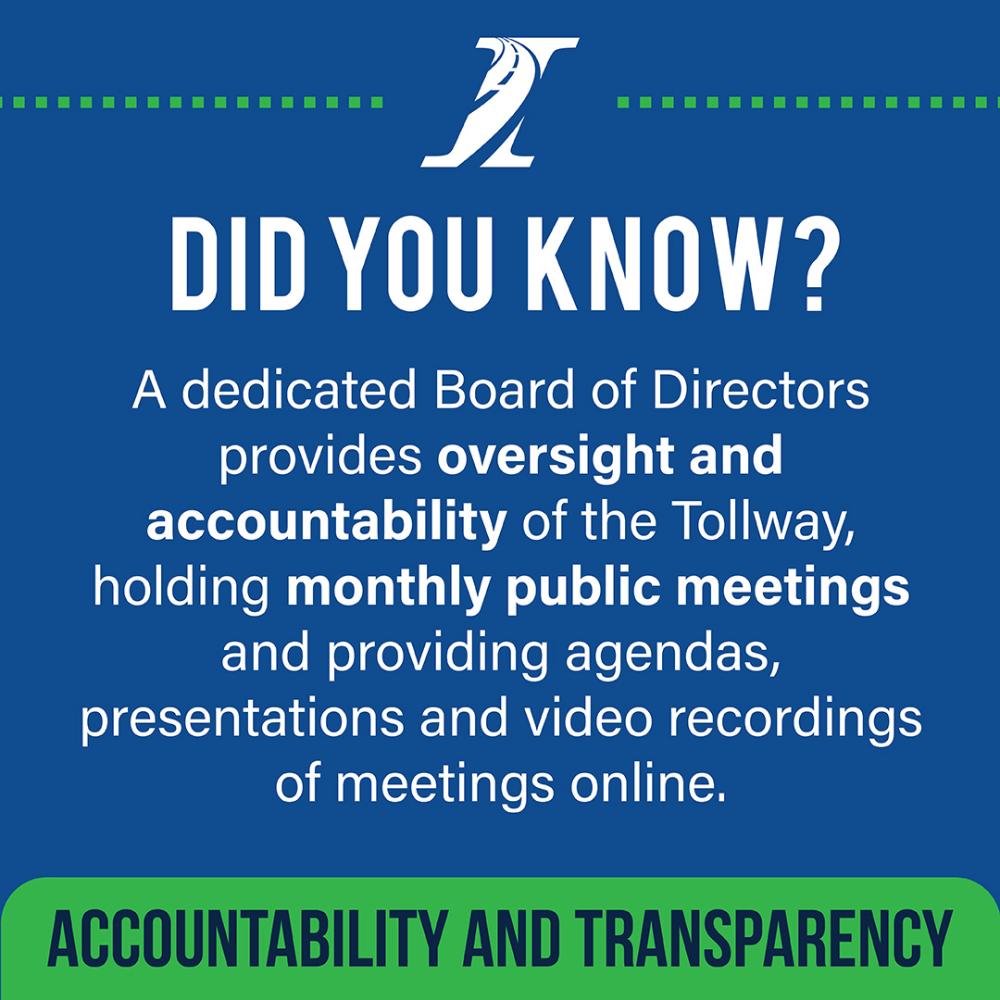
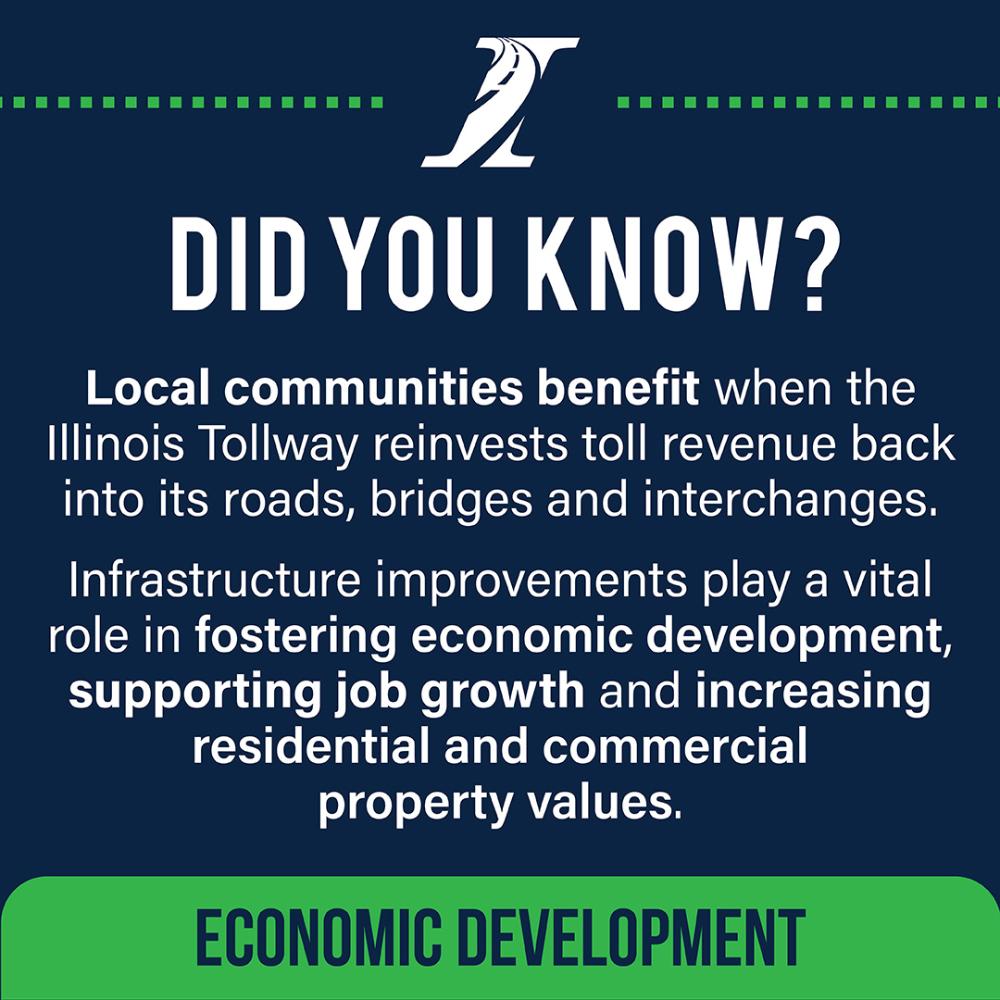
Approving the Driving Connections Capital Program
On August 19, 2026, following a lengthy public comment period and review of feedback, the Tollway’s Board of Directors voted to adopt the proposed Driving Connections capital program along with the associated update to toll rates. The approved updates to toll rates will begin January 1, 2027, and the Driving Connections capital program will begin in 2027 as well.
Driving Connections Program Approval Resources:
- View the press release

Toll Rate Increase
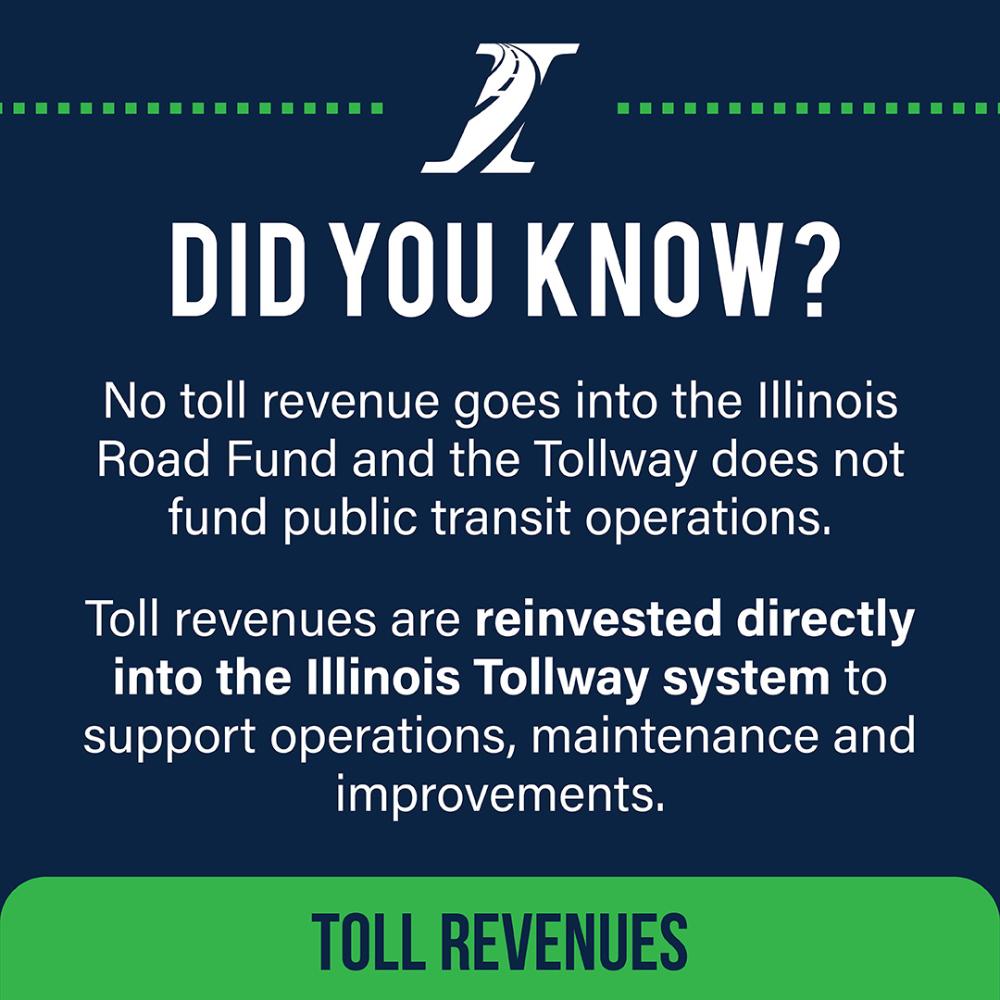
After more than a decade without a rate increase, the Tollway has delivered quality infrastructure that helps move Illinois forward. To help fund the next 15 years of investments, the Tollway will be increasing toll rates to fund the Driving Connections capital program.
- Passenger toll rates will increase approximately 45 cents per toll, starting January 1, 2027.
- Commercial toll rates will increase 30%, starting January 1, 2027.
- Beginning in 2029, rates would be adjusted every two years based on inflation.
View toll rate details for passenger and commercial vehicles
Tollway Improvements Save Drivers Time and Money in the Long Run
- Helps alleviate traffic - allowing people to spend less time on the road and more time with their families
- Stop-and-go traffic leads to higher fuel consumption and increased brake and engine wear, increasing costs over time
- Left unrepaired, poor road conditions can cost drivers approximately $725 per year

Why Now?
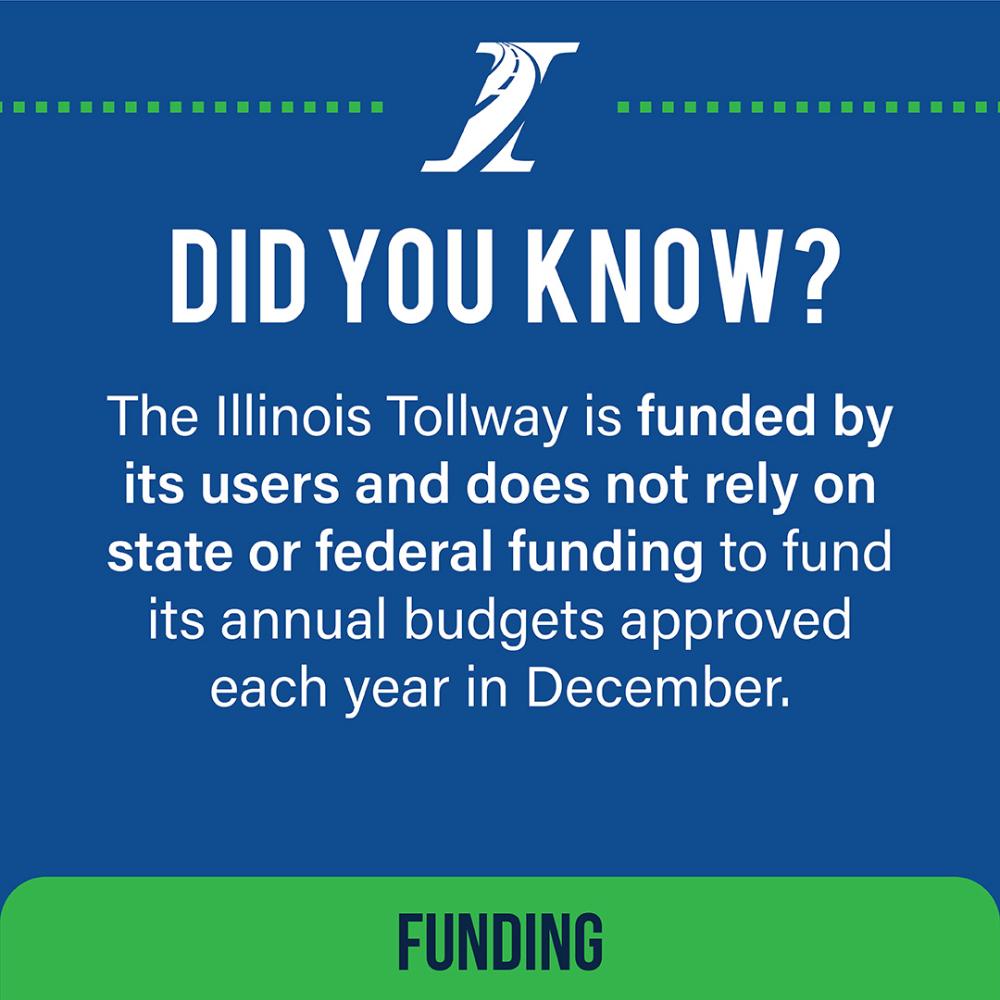
- The Illinois Tollway is funded by tolls—not by state or federal taxes—and every dollar funds the Tollway’s system.
- Passenger toll rates have not increased since 2012, even as the Tollway continued major improvements across the region.
- Updating toll rates is necessary to fund the Driving Connections capital program to continue to provide quality service, benefits and roadway maintenance for customers.
Program Goals
The Driving Connections capital program focuses on fulfilling five key goals that align the program with community and stakeholder priorities for the Tollway system and the region.


Includes improving the I‑355/I‑88 Interchange and widening segments between I‑55 to Army Trail Road to address congestion on the system.
Includes adding a new access point on the western portion of I‑88, reconstructing the corridor from Illinois Route 56 to Illinois Route 251 and rehabilitating and widening key segments between the Aurora Toll Plaza and the Eisenhower Expressway.
Includes roadway improvements from Elgin to the Kennedy Expressway - including eight miles of new SmartRoad and an expanded interchange at Lee Street - plus reconstructing older roadway and bridge segments between Rockford and Elgin.
Includes roadway rehabilitation and bridge reconstruction between Balmoral Avenue and the Edens Spur, as well as early design work for improvements at the I‑294/I‑90 Interchange.
Includes roadway and bridge reconstruction from Balmoral Avenue to Wolf Road, a full interchange at Irving Park Road and design funding for a new bridge over the Bensenville Railroad Yard.
Includes roadway repairs and bridge reconstruction from 159th Street (U.S. Route 6) to 95th Street, roadway and bridge work— including targeted widenings—between Illinois Route 394 and 159th Street, plus five miles of new SmartRoad infrastructure.
Complete a joint project with the Chicago Department of Aviation to support further airport development that will be served by the new Illinois Route 390/I-490 Interchange, and rehabilitation of original segments of the Illinois Route 390 Tollway corridor.
Includes funding to address new challenges and opportunities that arise over the long-term program, including interagency partnership projects with IDOT, Chicago Department of Aviation (CDA), local communities and others. Funding is also provided for innovation and sustainability projects, modernizing maintenance facilities and upgrading back‑office systems that support I‑PASS and open‑road tolling.
Public Hearings and Comments
TFollowing extensive public engagement, a formal public comment period, and approval by the Tollway Board, the Tollway is implementing a toll rate increase to fund critical Driving Connections capital program investments.
The public comment period is now closed. Thank you for your feedback and input into our processes.
As part of the public comment process, and as required by the Illinois Toll Highway Act, the Tollway hosted a series of 13 public hearings in the 12 counties served by the Tollway to allow customers and community members the opportunity to provide feedback in person. These hearings occurred the weeks of July 13 and July 20, 2026. Click here to view the schedule of dates, times and locations.
In total, the Tollway welcomed more than 1,150 attendees to the public hearings. Attendees were provided a variety of ways to submit comment at the public hearings, including verbally to a court reporter, online via smartphone or Tollway-provided tablets, or in writing. In total, the Tollway collected more than 440 comments.
View the Public Outreach and Comments Executive Summary
More than 18,000 comments were received during the public comment period through public hearings, the online comment form, email and written submissions. The complete Public Comment Report is available for public review. Click the button below to download the report.
PUBLIC HEARING RESOURCES
View the presentation provided at the public hearings