I-490/I-294 Interchange Project
I-490 Tollway
I-490/I-294 Interchange Project
As part of the new I-490 Tollway, the Illinois Tollway is delivering a new interchange connecting I-490 to the Tri-State Tollway (I-294).
The project provides two new ramp bridges that will connect I-490 to I-294. To accommodate the new ramps, the project also included reconstruction and widening of I-294 to five lanes in both directions between North Avenue and Balmoral Avenue in coordination with the Central Tri-State Tollway Project.
Work on the interchange began in 2020 and was completed in 2025.




Customer Impacts
Lane closures and traffic shifts will be necessary to provide a work zone and safely accommodate traffic during construction.
Electronic message signs and construction signage will be put in place in advance to alert drivers to scheduled lane closures, traffic patterns and work zone speed limits.
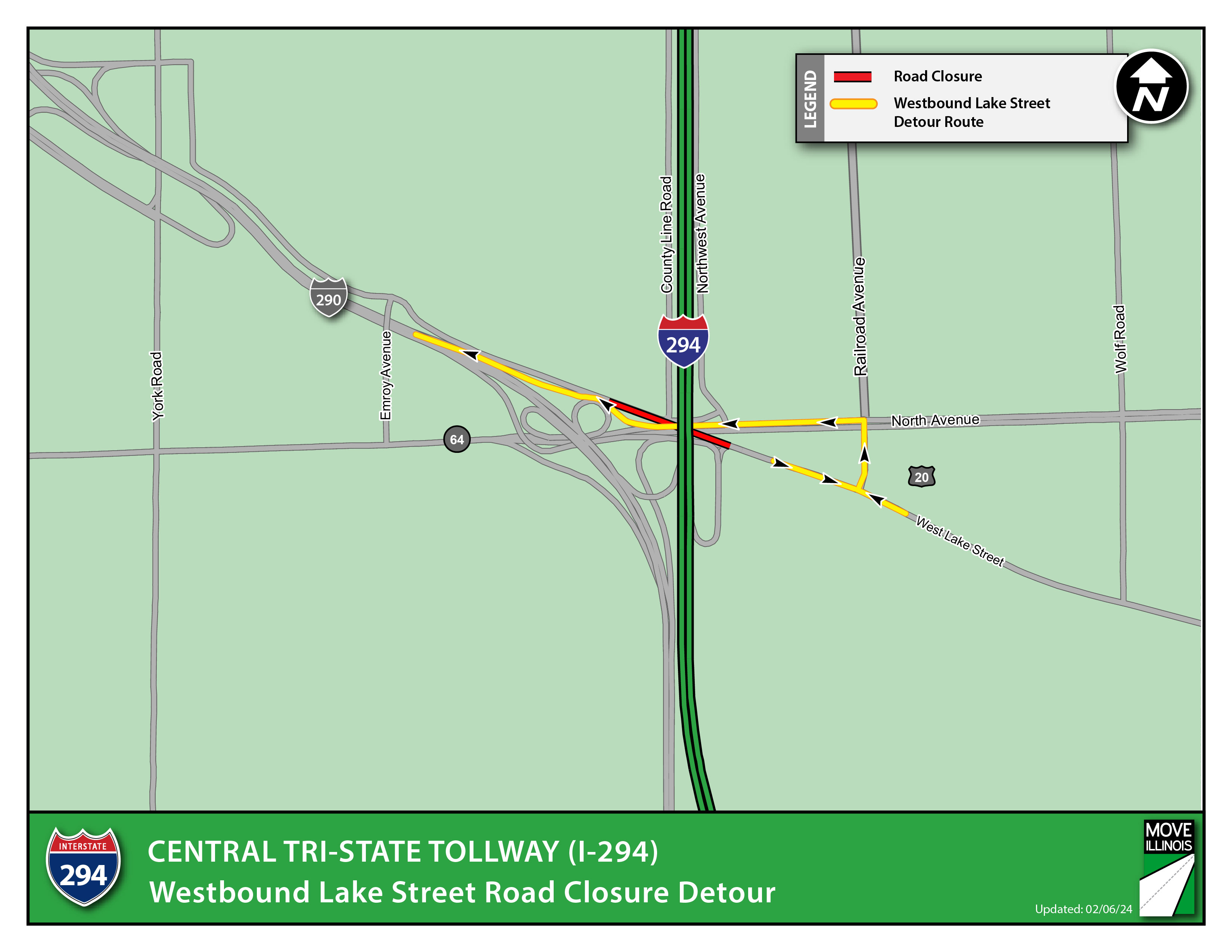
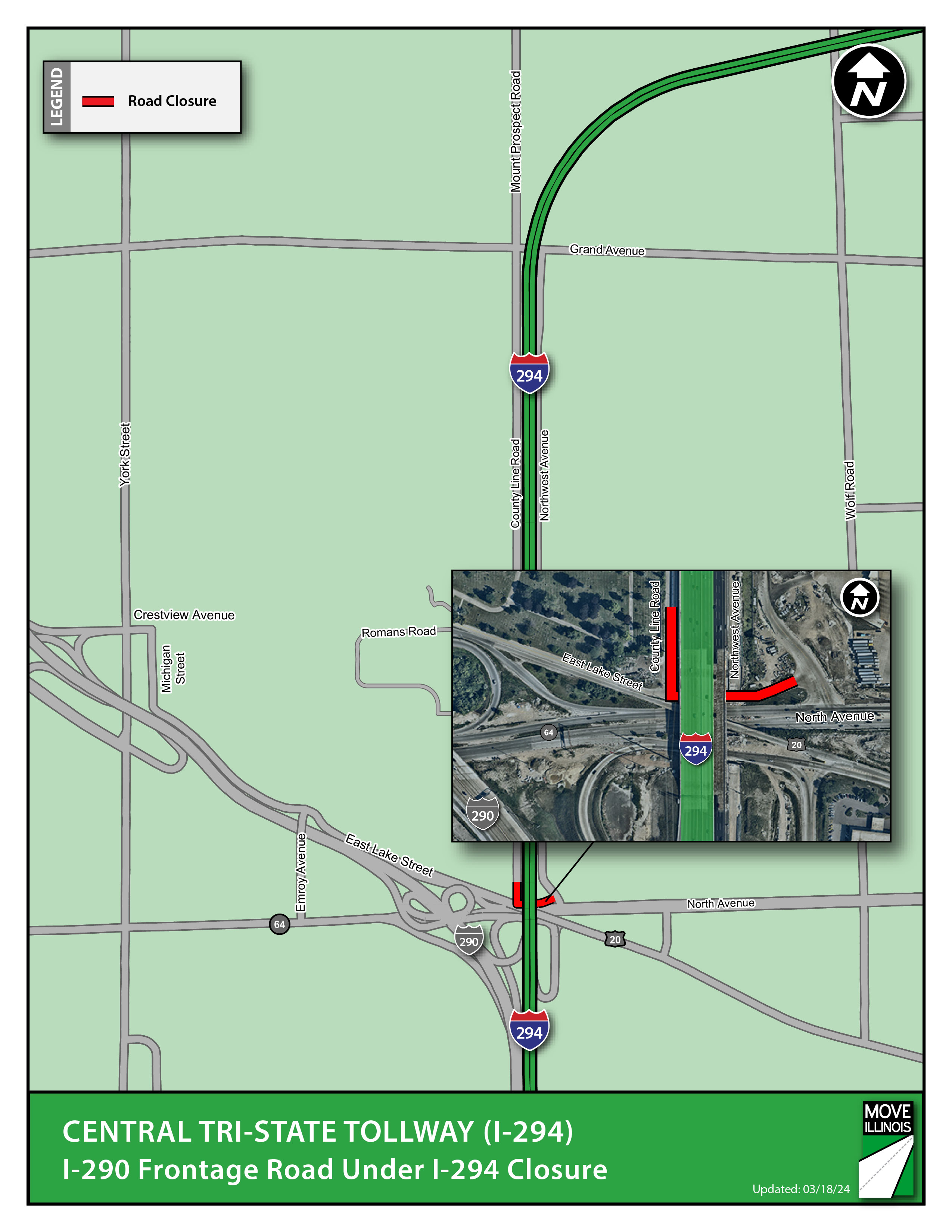
To accommodate interchange construction, lane closures on local roads will also be needed.
Work Zone Safety
The Illinois Tollway is committed to ensuring that the Tri-State Tollway (I-294) remains safe for both drivers and workers during construction, which is part of the agency’s overall commitment to roadway safety.
Work zone speed limits are in effect in all construction zones 24/7 and drivers should continue to watch for changing traffic patterns and use caution, especially when workers are present.
Visit the Tollway’s Work Zone Safety page at illinoistollway.com.
Purpose
The new I-490 Tollway, coupled with the Illinois Route 390 Tollway, which was completed in 2017, will connect businesses and communities with one of the nation’s busiest airports, transit facilities, major freight transportation hubs, distribution centers and multiple interstate highways including the Jane Addams Memorial Tollway (I-90) and the Central Tri-State Tollway (I-294).
Sustainability
The Tollway is committed to building green and minimizing the environmental impact of construction by reducing, recycling and reusing materials. In addition to reducing the cost of this work, reuse of these materials reduces the need for virgin asphalt materials and reduces energy consumption, greenhouse gases and the volume of material that would otherwise be sent to landfills.